How to Store Perfume Away from Heat and Light
Warmth, light and air slowly change a fragrance. Ten dos and don'ts for storing perfume, each with its reason, plus how to tell when a bottle has turned.
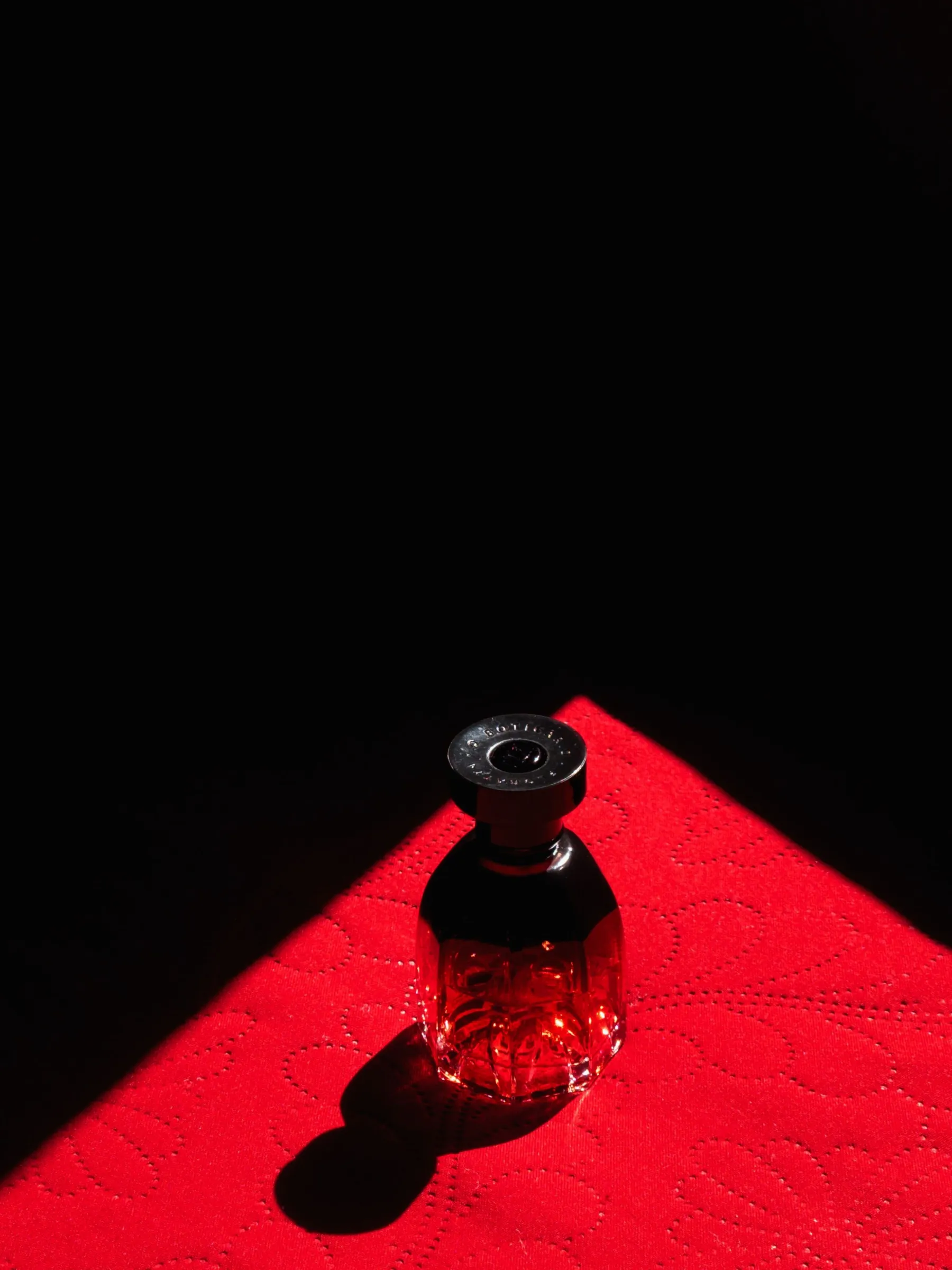
Perfume is a solution of volatile, reactive aroma materials in alcohol, and three ordinary things change it: warmth, light and air. None of them ruins a bottle overnight. They work slowly, which is why the bottle on the bathroom shelf seems fine for a year and then, one morning, smells flat or faintly sour.
Good storage is not complicated or expensive. It is mostly a matter of choosing the right spot once. Each point below comes with its reason, so you can adapt it to your own home.
Do
Do keep bottles in the dark
Reason: light is one of the main things that alters a fragrance. The Perfume Society’s advice is to keep perfume away from light and heat, and it names the sunny dressing table as a poor spot. The U.S. Food and Drug Administration makes the same general point about cosmetics: exposure to sunlight and air can cause changes in color and texture.
In practice: a closed cupboard, a wardrobe shelf or a drawer. If you like to see your bottles, a shelf that never gets direct sun is the compromise.
Do keep the box, at least for bottles you use rarely
Reason: the carton is a free light shield. Clear glass shows off the color of the liquid but does nothing to protect it; the Perfume Society notes that dark glass preserves scent better.
In practice: everyday bottles can live unboxed in a drawer. The special-occasion bottle you reach for six times a year is the one that benefits from its box.
Do choose a room with a steady, cool temperature
Reason: heat speeds evaporation and change. The Perfume Society warns against spots opposite a window or above the heating, where perfume will evaporate far more rapidly and may “turn”, going darker in the bottle as the lighter notes are lost. The FDA adds that temperature changes themselves can alter cosmetics.
In practice: a bedroom or hallway cupboard, away from radiators, heating vents and exterior walls that get hot in the afternoon.
Do put the cap back on, every time
Reason: the cap limits evaporation and keeps air and dust away from the nozzle. Air matters for more than smell. Dermatology research describes how limonene and linalool, two very common fragrance ingredients, autoxidize on exposure to air into hydroperoxides that are potent skin sensitizers. That work concerns the ingredients, not any particular bottle, but it is a sound reason not to leave fragrance open to the air.
In practice: recap after spraying. If a cap is lost, store the bottle upright in its box.
Do use up what you open
Reason: an opened bottle has a limited best period. The Perfume Society’s rough guide is up to about two years once in use, while an unopened bottle kept in the dark can last for decades. These are estimates, not guarantees, and formulas differ.
In practice: open one bottle at a time per occasion, and buy sizes you will finish. This is the logic behind a small fragrance wardrobe.
Don’t
Don’t store perfume in the bathroom
Reason: it combines every unhelpful condition: heat, steam and temperature that swings with each shower. The Perfume Society lists the bathroom alongside the sunny dressing table as a poor place for fragrance, and the FDA notes more generally that moisture in a bathroom makes it easier for bacteria and fungi to grow in cosmetics.
Instead: if getting ready happens in the bathroom, carry the bottle in and out, or keep a small travel spray there and the main bottle elsewhere.
Don’t leave it on a windowsill or in a car
Reason: both deliver direct sun and high heat together. The FDA specifically warns against leaving cosmetics in a hot car.
Instead: a handbag is fine for a day. A glove compartment in summer is not storage.
Don’t decant more than you will use soon
Reason: pouring or spraying into another container exposes the liquid to air, and a small atomizer with a lot of empty space keeps it in contact with that air.
Instead: fill a travel atomizer with what you need for the trip, label it, and finish it. Clean and dry the atomizer before refilling with a different scent.
Don’t touch the opening to your skin
Reason: with splash bottles and dabbers, skin oils and whatever is on your skin can go back into the bottle. The Perfume Society advises against letting skin touch the rim or using a stopper to apply.
Instead: tip a drop onto a clean fingertip, or prefer spray formats where the liquid stays sealed.
Don’t assume the refrigerator is necessary
Reason: it is a popular suggestion, but none of the references consulted for this piece calls for it. What they ask for is cool, dark and steady, which a cupboard provides without the door being opened twenty times a day.
Instead: pick the coolest dark cupboard in your home and stop there.
Cool, dark, capped and used: four words cover nearly everything.
How to tell when a perfume has changed
The signs described by the Perfume Society are simple to check:
- Color: the liquid has darkened noticeably since you bought it.
- Clarity: it looks cloudy or thicker than before.
- Smell: it does not smell the way it used to. Often the bright opening goes first, leaving something flat, sharp or sour.
A turned perfume cannot be restored. Whether to keep wearing one that has merely faded is a matter of taste, with one caution.
Where storage fits in the bigger tidy-up
With perfume, your own observation does most of the work. A quick look at color and a test spray on paper, a few times a year, is enough. It slots easily into a wider ten-minute reset of your beauty shelf, and the same cool-and-dark logic applies when you organize your skincare and check expiry dates.
Sources
- The Perfume Society Fragrant facts & myths your nose needs to know!
- The Perfume Society Scent Storage Solutions: How to Organise Your Fragrance Samples & Bottles
- U.S. Food and Drug Administration Shelf Life and Expiration Dating of Cosmetics | FDA
- Contact Dermatitis (2026) Ten Years of Patch Testing to Hydroperoxides of Limonene and Linalool: Prevalence, Patterns and Clinical Insights.
- The Perfume Society FAQs - The Perfume Society
Researched and written by Dates Force Editorial with AI assistance, from the published sources listed above — not from product testing. This is general information about everyday cosmetic care, not medical advice. How we work · Report an error
Keep reading
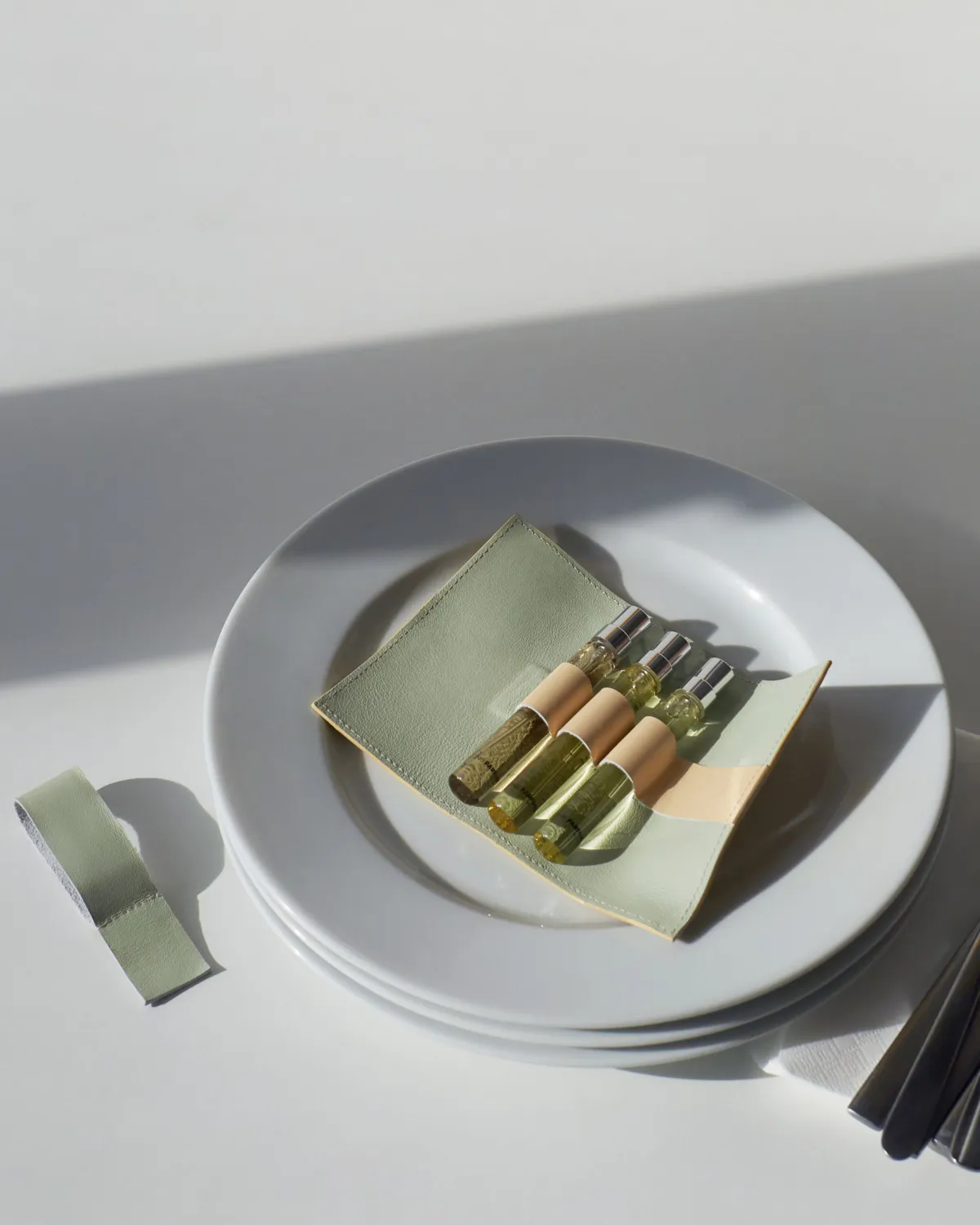
Building a Small Fragrance Wardrobe Around Your Preferences
Three or four scents, each with a job. A by-occasion framework for choosing them, starting from what you already like and ending with bottles you finish.