What Belongs in a Small, Useful Makeup Bag
A handbag makeup kit is for repairs, not a second application. Eight items that earn the space, what stays home, and how to keep it all clean.
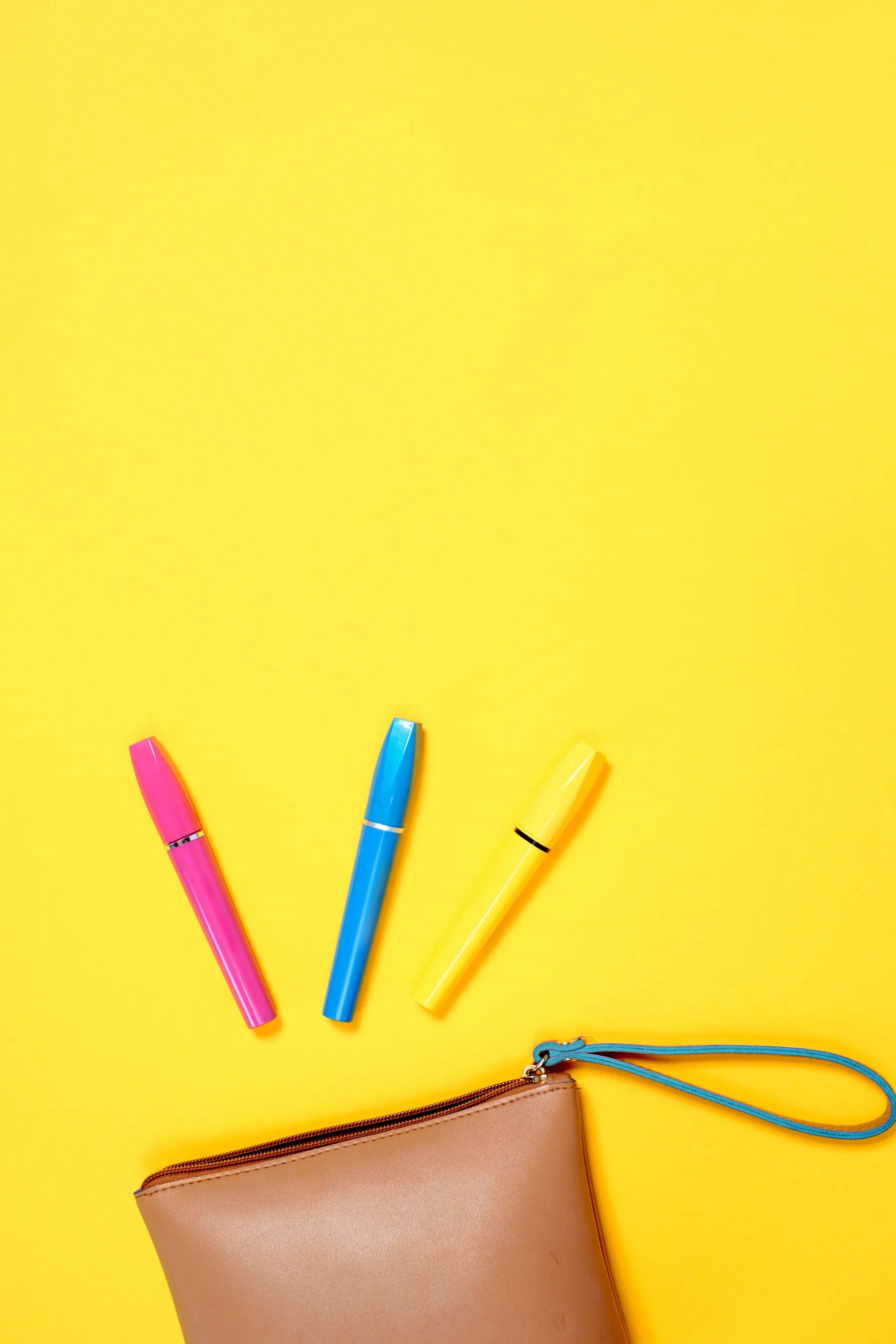
A makeup bag earns its place in a handbag by solving the things that actually happen between leaving home and getting back: shine at two o’clock, a smudge under one eye, lips that have worn off after lunch. It is a repair kit. Once you treat it that way, most of what people carry around turns out to be passengers.
The test for every item
Before anything goes in, it should pass at least one of these:
- It fixes something that goes wrong during the day.
- It does two jobs.
- It works without a brush you would also have to carry and keep clean.
Anything that only matters during the first application at home stays at home.
The packing list, with reasons
1. Blotting papers or a travel pack of tissues
Why: removing shine comes before adding anything. The American Academy of Dermatology suggests blotting papers used with a gentle press, not a rub, which would spread oil. Tissues do the same job and also handle lipstick blotting.
2. A concealer
Why: it is your foundation in miniature. A dot covers anywhere the base has worn through, and it tidies the edge of a lip line. Choose a tube or wand over a pot so fingers stay out of the product.
3. A pressed powder compact with a mirror
Why: two items in one. The powder sets a touch-up; the mirror is the tool you will use most. If you never wear powder, carry a slim mirror by itself.
4. A cream color stick for cheeks and lips
Why: one product replaces blush and a casual lip color, and it goes on with a fingertip. Creams sit best over a base that has not been heavily powdered.
5. Your lip color of the day
Why: lips are the first thing to fade. Carry the one you put on that morning, not a selection.
6. A plain lip balm
Why: under lipstick, in place of lipstick, pressed over a dry patch on the cheek, smoothed over an unruly brow. It is the most versatile thing in the bag.
7. Cotton swabs
Why: a rolled swab lifts a mascara smudge without disturbing the makeup around it. Four or five in a small resealable bag weigh nothing.
8. Hand sanitizer or wipes
Why: every item above is applied with fingers. Clean hands are what makes a brush-free kit reasonable.
That is eight things. Together they cover every fix in how to refresh your makeup without starting over.
What stays at home, and why
- Foundation. Reapplying it over a day’s wear seldom improves things, and glass bottles are heavy and can leak. Concealer handles the patches.
- Eyeshadow palettes. They need brushes and good light, and pressed pans can shatter in a bag.
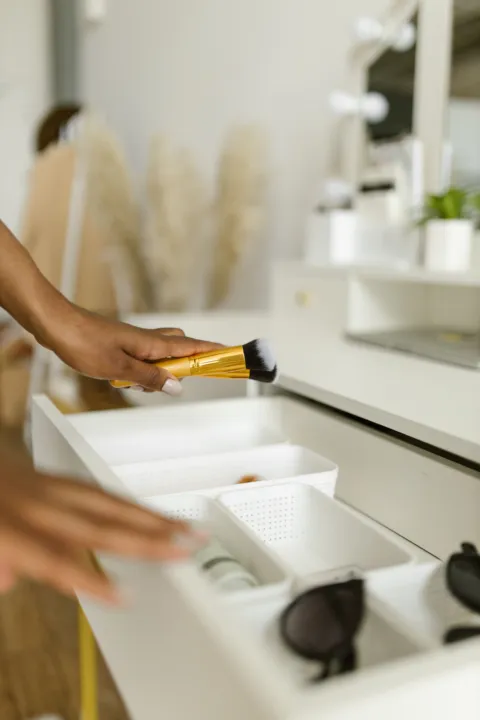
- A full brush set. Brushes pick up whatever is loose in the bag and then go on your face. If you carry one, make it one, with a cap or sleeve.
- Mascara, most days. A second coat over dried mascara tends to clump. Add it to the bag only on days you plan to go from work to an evening out with freshly cleaned lashes.
- Duplicates. Three lip colors is a choice to make in a dim restroom. One is a decision already made.
The bag itself
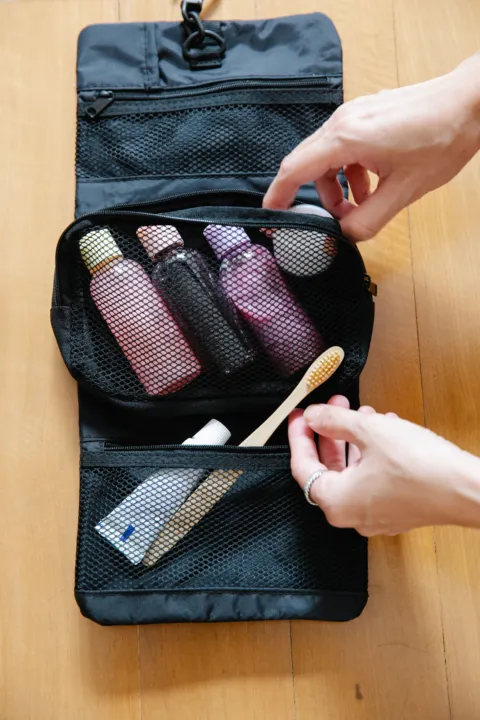
Small enough that it cannot be overfilled is the main feature. A pouch about the size of your hand, roughly 15 × 10 cm (6 × 4 in), holds the list above. A wipe-clean lining matters more than the outside, because something will eventually leak. A light-colored interior makes things easier to find.
Keeping a handbag kit clean
Makeup that travels gets warmer, dirtier and more shaken about than makeup on a shelf, so a few habits are worth having.
Mind the heat. The FDA advises keeping cosmetics out of hot places such as a parked car, because heat can break down preservatives and encourage bacteria and fungi to grow. Its eye cosmetic safety page puts a number on it: store cosmetics below 85°F (about 29°C). A bag left on a sunny dashboard or beside a radiator is the thing to avoid.
Keep lids on and containers wiped. The FDA lists dust and dirt among the things to keep out of eye cosmetics and recommends keeping containers clean. A loose cap in a handbag collects lint and crumbs fast.
Do not share. Both the FDA and the AAD advise against sharing makeup, since doing so can pass along infections.
Wash what touches your face. The AAD recommends cleaning makeup brushes every 7 to 10 days and cleaning sponges after every use. The powder puff in a compact is easy to forget; wash it on the same schedule or replace it.
Watch the mascara date. If mascara does live in your bag, note that the FDA says manufacturers usually recommend discarding it two to four months after purchase. If it dries out, replace it. Adding water or saliva to revive it introduces bacteria.
A two-minute monthly reset
Once a month, tip everything out. Shake the crumbs from the pouch and wipe the lining. Wipe each container. Check that every item is still something you used in the past few weeks, and move anything else back to the shelf.
If the shelf could use the same treatment, a ten-minute reset for your makeup bag and beauty shelf covers both together. For a night away, the list grows slightly, and what to pack in an overnight beauty bag picks up where this one stops.
Sources
- U.S. Food and Drug Administration Shelf Life and Expiration Dating of Cosmetics
- U.S. Food and Drug Administration Eye Cosmetic Safety
- American Academy of Dermatology When to toss your makeup and sunscreen
- American Academy of Dermatology How to clean your makeup brushes
- American Academy of Dermatology How to control oily skin
Researched and written by Dates Force Editorial with AI assistance, from the published sources listed above — not from product testing. This is general information about everyday cosmetic care, not medical advice. How we work · Report an error
Keep reading
How to Refresh Your Makeup Without Starting Over
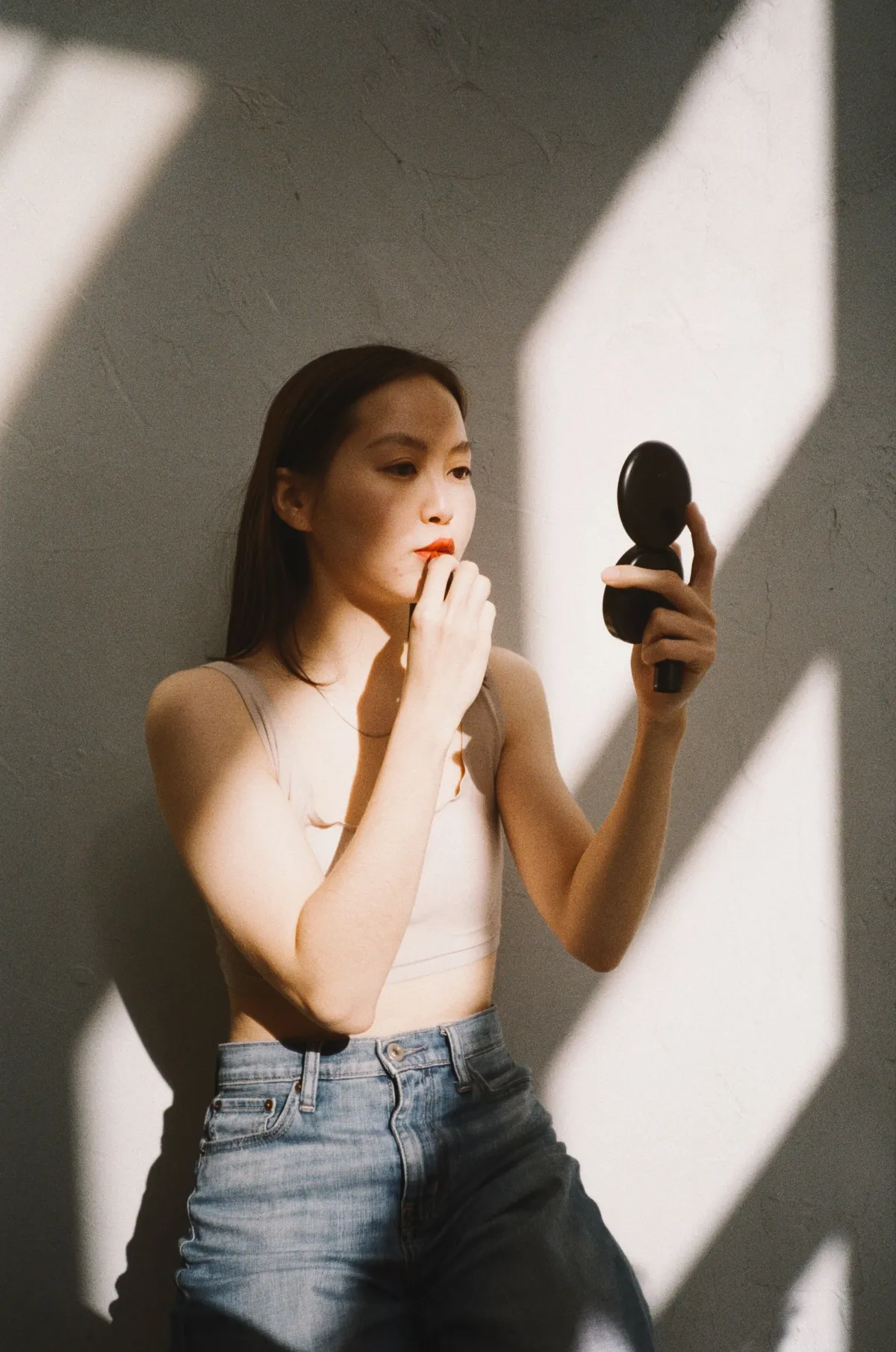
Midday touch-ups work best when you take away before you add. Find what you see in the mirror, from shine to smudges, and fix only that.