How much effort it takes to get makeup off depends almost entirely on what you put on. A sheer tint and a waterproof mascara are different jobs, and treating them the same way is how people end up either scrubbing at their eyelids or going to bed with half a base still in place.
The guidance from the American Academy of Dermatology is brief and consistent across its pages: remove makeup, including eye makeup, before bed; then wash with a gentle cleanser; do not scrub at any stage. This guide fills in the practical part, organized by what you are wearing.
The two-stage idea
For anything beyond the lightest makeup, cleansing works better as two short stages than one long one.
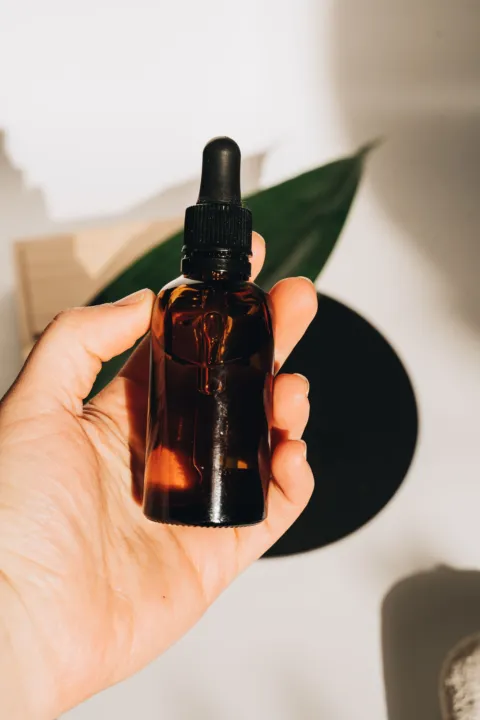
- Loosen the makeup. A makeup remover, micellar water, cleansing oil or cleansing balm breaks down pigment and long-wearing formulas so they lift away.
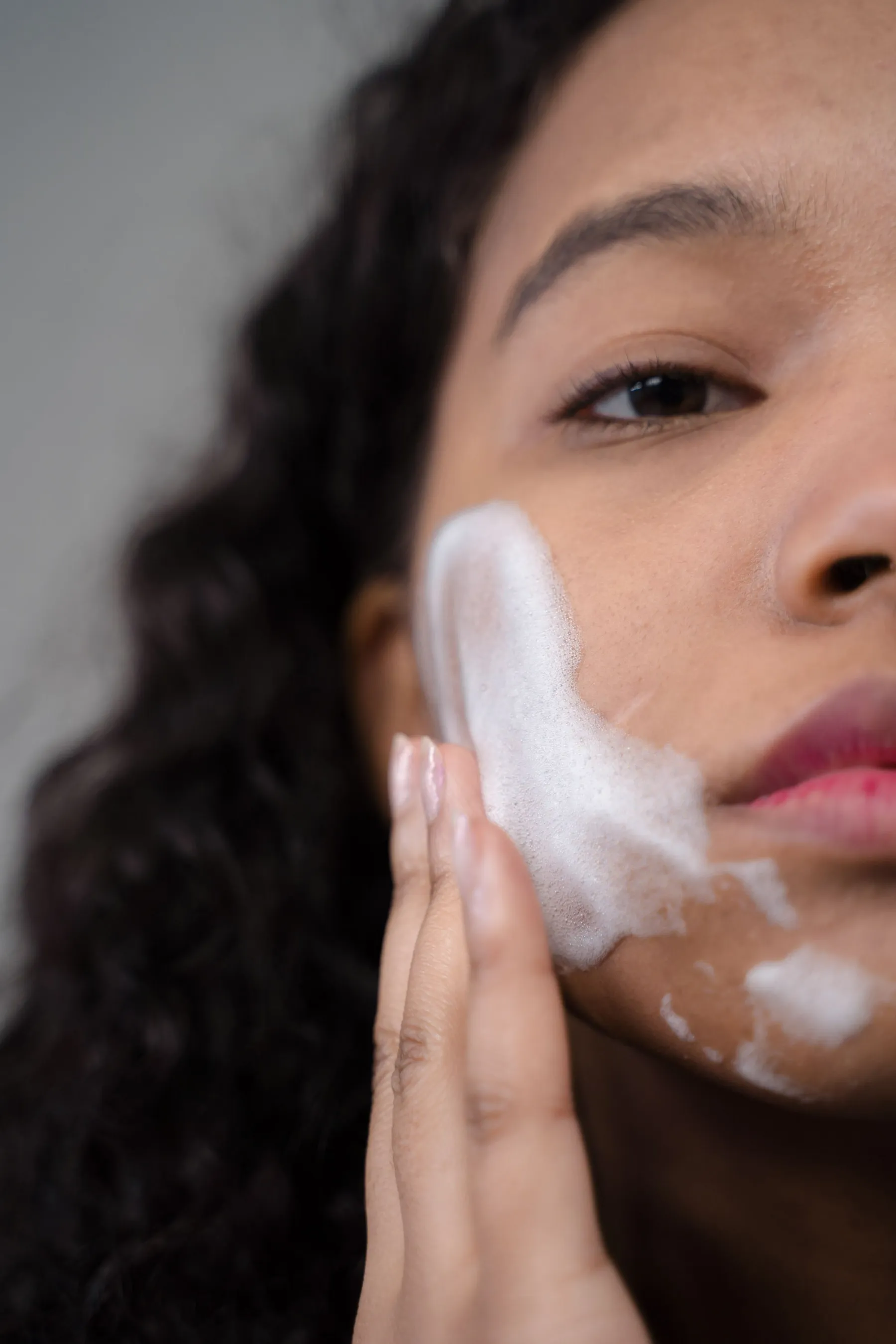
- Wash your face. A gentle cleanser and water take off what the first stage loosened, along with the remover itself.
The AAD describes this order in its advice on wearing makeup with acne-prone skin: remove the makeup, then wash with a gentle cleanser. That page recommends an oil-free makeup remover for people prone to breakouts; if that is you, check the label before choosing an oil or balm for stage one.
By makeup type
Sunscreen and a sheer tint, or sunscreen alone
What it takes: usually just the wash. Massage a gentle cleanser over damp skin with your fingertips for long enough to cover every area, including the hairline, the sides of the nose and under the jaw, then rinse.
If the sunscreen is water-resistant: it is built to stay put, so add a stage-one remover first, or cleanse twice with the same gentle cleanser.
Full-coverage or long-wear foundation
What it takes: both stages. Work a remover over dry skin with your fingers or press it on with a soft cotton pad, giving it a few seconds to act before wiping. Then wash.
How to tell it worked: after rinsing, wipe a clean damp cotton pad along your jaw and hairline. If it comes away tinted, wash once more. These edges are where base most often gets left behind.
Waterproof mascara and long-wear eyeliner
What it takes: time and stillness, not pressure. Removers made for waterproof eye makeup are generally oil-containing or two-phase liquids that you shake before use.
- Soak a cotton pad with eye makeup remover.
- Close one eye and rest the pad against the lashes for ten to twenty seconds. Do nothing else.
- Wipe gently downward, in the direction the lashes grow. Fold the pad to a clean side and repeat.
- For the lash line, use a cotton swab dipped in remover and roll it along the roots.
If you find yourself rubbing, the pad was not held for long enough. Soak again and wait. The skin around the eyes is where a light touch matters most; the AAD’s face-washing page makes the same point about being gentle around the eyes.
Regular mascara and eyeshadow
What it takes: micellar water or a standard remover on a pad, held briefly and wiped downward, followed by the wash. Non-waterproof formulas release much more easily, which is a reasonable argument for wearing them on ordinary days.
Long-wear lip color and stains
What it takes: the same hold-then-wipe method as for the eyes. Press a remover-soaked pad to the lips for several seconds, then wipe from the corners toward the center. A faint tint left behind by a stain will fade by itself; chasing it with repeated rubbing is not worth the soreness. Finish with lip balm.
Glitter and shimmer
What it takes: lifting, not smearing. Press a remover-soaked pad over the area and lift straight off, using a fresh section each time, so particles are not dragged toward the eye. Then wash as usual.
If you find yourself rubbing, the pad was not held for long enough.
Stage two: the wash itself
Whatever came before, the wash follows the AAD’s face-washing basics:
- Use a gentle, non-abrasive cleanser that does not contain alcohol.
- Wet your face with lukewarm water and apply the cleanser with your fingertips. The AAD notes that washcloths, mesh sponges and similar tools can irritate the skin.
- Do not scrub.
- Rinse with lukewarm water and pat dry with a soft towel.
- Apply moisturizer if your skin feels dry or itchy afterward.
That last step is where your evening routine picks up. If you want it kept short, a simple skincare routine needs only a moisturizer from this point.
Choosing a stage-one product
All of these are product types, and which one suits you is mostly a matter of feel and what you wear.
- Micellar water: a water-like liquid used on a cotton pad. Convenient for light to moderate makeup. Follow the label on whether to rinse; washing afterward covers it either way.
- Cleansing oil or balm: massaged over dry skin, then rinsed, with a wash afterward. People often choose these for heavy or long-wear makeup. If you are acne-prone, bear the AAD’s oil-free advice in mind.
- Dedicated eye makeup remover: worth having if you wear waterproof formulas often. Only use products intended for the eye area near your eyes.
If a remover is new to you, try it on a small area before using it across your face; the method is in introducing a new skincare product. Fragrance in a product used around the eyes is one more thing to check, and fragrance-free and unscented are not interchangeable terms.
The too-tired version
There will be nights when two stages feel impossible. The fallback, in order of preference:
- One stage-one pass with micellar water on a pad, then a quick wash. About two minutes.
- Just the wash, done twice.
- A makeup-removing wipe, used gently, then a proper cleanse in the morning.
Keeping remover and cotton pads beside the bed, not only in the bathroom, makes the first option more likely to happen.
What to leave out
- Scrubbing to “get everything off.” The AAD is clear that scrubbing irritates the skin. If makeup is not shifting, change the remover, not the pressure.
- Very hot water. Lukewarm is the recommendation.
- Rough cloths around the eyes. Soft cotton and patience do the job.
- Pulling at lashes to remove mascara flakes. Soak again instead.
If your skin often feels tight, stings or looks red after cleansing, simplify to a gentler cleanser and lukewarm water first. If that does not settle it, a dermatologist is the right person to ask.
Sources
- American Academy of Dermatology I have acne! Is it okay to wear makeup?
- American Academy of Dermatology Face washing 101
- American Academy of Dermatology How to control oily skin
- U.S. Food and Drug Administration Eye Cosmetic Safety
Researched and written by Dates Force Editorial with AI assistance, from the published sources listed above — not from product testing. This is general information about everyday cosmetic care, not medical advice. How we work · Report an error
Keep reading

Building a Simple Skincare Routine You Can Stick To
Cleanse, moisturize, sunscreen in the morning; cleanse and moisturize at night. How to choose each product and arrange things so the habit holds.