A Small Nail-Care Kit: What Is Actually Useful
Seven items that cover trimming, shaping, polish and upkeep, a few optional extras, and the tools dermatologists would prefer you left in the shop.
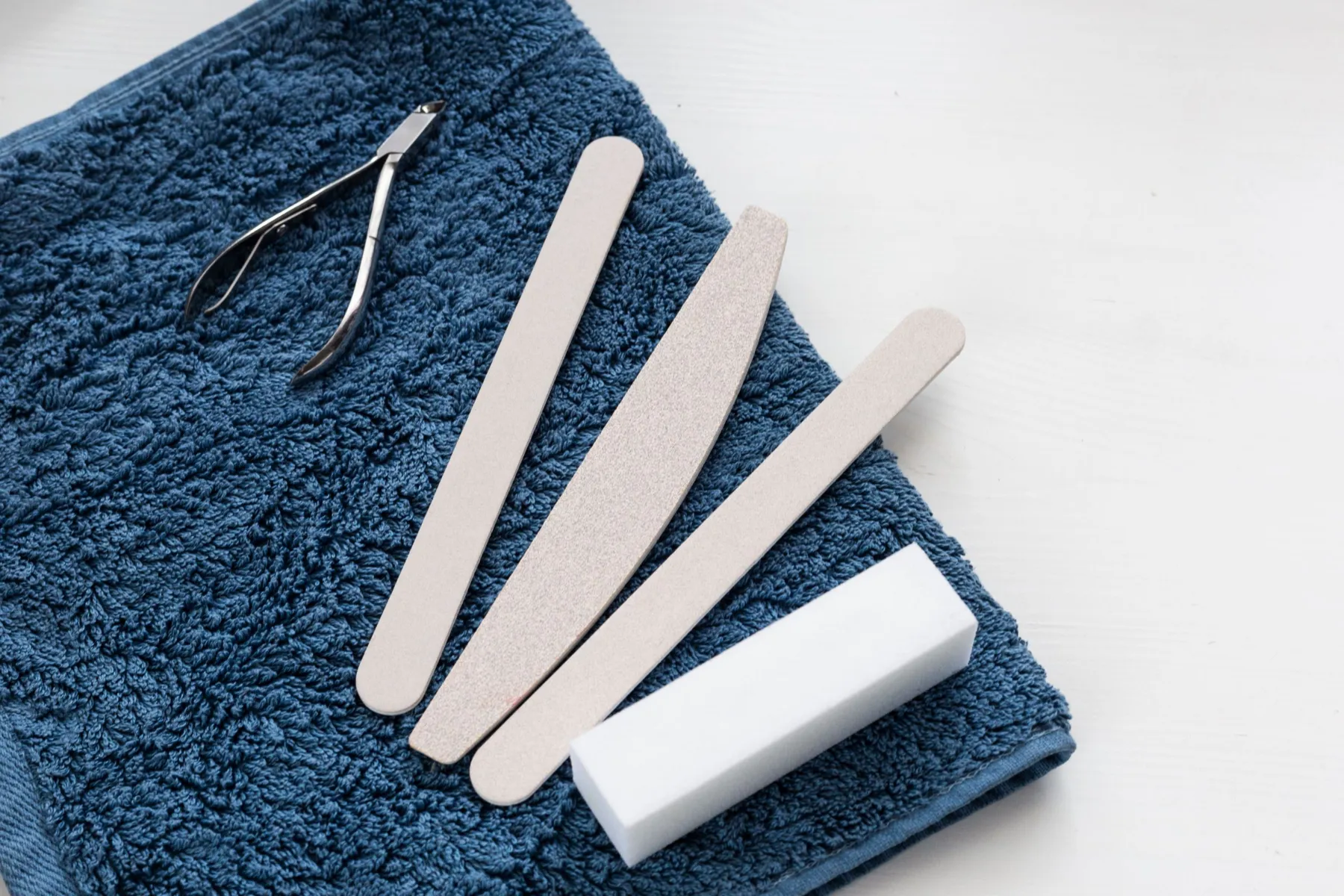
Nail-care sets are sold by the piece count, and the count is misleading. A fifteen-piece kit usually contains four things you will use, three you will not recognize and several that dermatologists would prefer you left alone. A kit that covers trimming, shaping, polish and upkeep fits in a pencil case.
Here it is sorted three ways: keep, optional, skip.
Keep: the seven that do the work
1. Nail clippers or nail scissors
For taking off length. Choose whichever you control better; clippers are quicker, scissors are more precise on small nails. Sharp blades matter more than the type, since a dull pair crushes the nail edge instead of cutting it. The American Academy of Dermatology suggests a separate, larger clipper for toenails.
2. A fine-grit file
For shaping and for smoothing a snag the moment it appears. Emery boards are cheap and light; glass files last for years and rinse clean. Look for a fine grit (around 180 to 240) for natural nails. Coarse files are made for artificial nails and are rough on your own.
Whichever you pick, the AAD’s technique note applies: file in one direction, because sawing back and forth can weaken nails.
3. A soft nail brush
For cleaning under and around the nails with soap and water. The NHS recommends a soft nailbrush, and not sharp objects, for cleaning under nails, which makes this the replacement for the metal pick in most sets.
4. Hand cream or cuticle oil
The most-used item in the kit if you let it be. The AAD advises moisturizing nails, especially after removing polish. A small tube of plain hand cream does the job; oil in a pen or rollerball is tidy for a bag. Neither has to be labeled for nails.
5. Nail polish remover and cotton pads
Removers rely on strong solvents; DermNet lists acetone, alcohol and various acetates among them, and the AAD notes that most removers dry nails out. Acetone removers work fastest, especially on dark colors and glitter. Non-acetone formulas are slower, and some people find them less drying on the skin. Either way, wash your hands and moisturize afterward.
Lint-free pads leave fewer fibers on the nail than cotton balls. A small leakproof bottle is enough.
6. A base-and-top coat
If you wear polish at all, this is the bottle that earns its keep. As a base it sits under the color; the AAD recommends an extra layer of base coat under bright red or orange to guard against discoloration. As a top coat it adds gloss and takes the daily wear. A combined two-in-one product saves space; separate bottles do each job a little better.
Worn alone, one clear coat on bare nails is the quickest tidy look there is.
7. One polish you will actually wear
A sheer pink or beige covers the most occasions and is the easiest to apply and touch up. Our guide to polish finishes explains why sheer is so forgiving.
A kit that covers trimming, shaping, polish and upkeep fits in a pencil case.
Optional: useful for some people
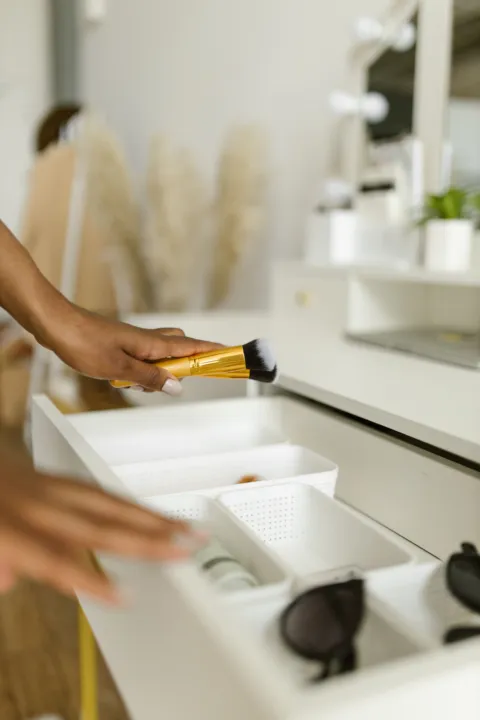
- A small flat brush (an old lip or eyeliner brush works) for cleaning up polish at the edges with a little remover. Worth it if you paint your nails weekly.
- A soft buffer. A few light strokes with the smoothest side adds shine to bare nails. Use it occasionally and gently; buffing removes a little of the nail surface each time.
- Cuticle nippers, for hangnails only. A clean, sharp pair removes a loose tag of dry skin without tearing. That is their one job in a home kit.
- A dotting tool or thin striping brush if you enjoy simple designs like those in five minimal nail ideas. A bobby pin does the dots.
- Rubber gloves. Not a nail tool, but the AAD and the NHS both recommend gloves when your hands are in water or cleaning products a lot. They live by the sink, not in the kit.
Skip: what pads out the set
| Item | Why it can stay in the shop | What to do instead |
|---|---|---|
| Cuticle cutter, V-shaped trimmer, cuticle knife | The AAD advises against cutting cuticles, which protect the nail root; cutting them can let in infection | Moisturize; if you wish, ease them back gently after a shower |
| Metal cuticle pusher | The same guidance warns against pushing cuticles back forcefully, and a metal edge makes that easy to do | A soft washcloth on shower-softened skin |
| Chemical cuticle remover | DermNet describes these as alkaline products that break down skin around the cuticle | Hand cream, regularly |
| Pointed metal under-nail cleaner | The NHS advises against cleaning under nails with sharp objects | A soft nail brush |
| Coarse or metal files | Too rough for natural nails | A fine-grit emery board or glass file |
| Nail-strengthening polish | The AAD cautions that strengthening polishes can leave nails stiffer and more prone to breaking | Shorter length, gloves, moisturizer |
| A dozen polish colors bought at once | Polish thickens with time; most of a large set goes unused | One sheer, one color you love; add as you finish them |
Looking after the kit
- Clean metal tools. The AAD suggests disinfecting clippers and scissors monthly: scrub with a small brush dipped in rubbing alcohol, rinse in hot water and dry completely before putting them away.
- Do not share clippers, files or nippers, and bring your own to the salon if you go often, which the AAD also recommends.
- Replace emery boards when the grit wears smooth or the board gets grubby; they cannot be washed properly. Glass files can.
- Store polish and remover upright, capped and away from heat. The FDA notes that some nail products are flammable and should be kept away from flames and hot tools such as curling irons, and that they should be used with good ventilation.
- Read the label. Nail products sold at retail must list their ingredients, in descending order of predominance, according to the FDA. That is useful if you know a particular ingredient does not agree with you.
A quick check of the kit fits well into a wider tidy-up; see our ten-minute reset for your makeup bag and beauty shelf.
The travel version
For a few days away: a file, a mini hand cream, and two or three individually wrapped remover pads. Add a small bottle of your current polish only if you would mind a chip. Liquid polish and remover count toward carry-on liquid limits, and scissors and clippers have their own cabin-baggage rules, which vary; check with your departure airport before you fly.
With the kit in place, the routine is short. The full sequence is in our beginner-friendly at-home manicure.
Sources
- American Academy of Dermatology How to trim your nails
- American Academy of Dermatology Manicure and pedicure safety
- American Academy of Dermatology 11 dermatologists' tips for healthy nails
- NHS Nail problems - NHS
- DermNet Nail cosmetics allergy
- U.S. Food and Drug Administration Nail Care Products | FDA
- British Association of Dermatologists Dermatologists issue warning about UK artificial nail allergy epidemic
Researched and written by Dates Force Editorial with AI assistance, from the published sources listed above — not from product testing. This is general information about everyday cosmetic care, not medical advice. How we work · Report an error
Keep reading
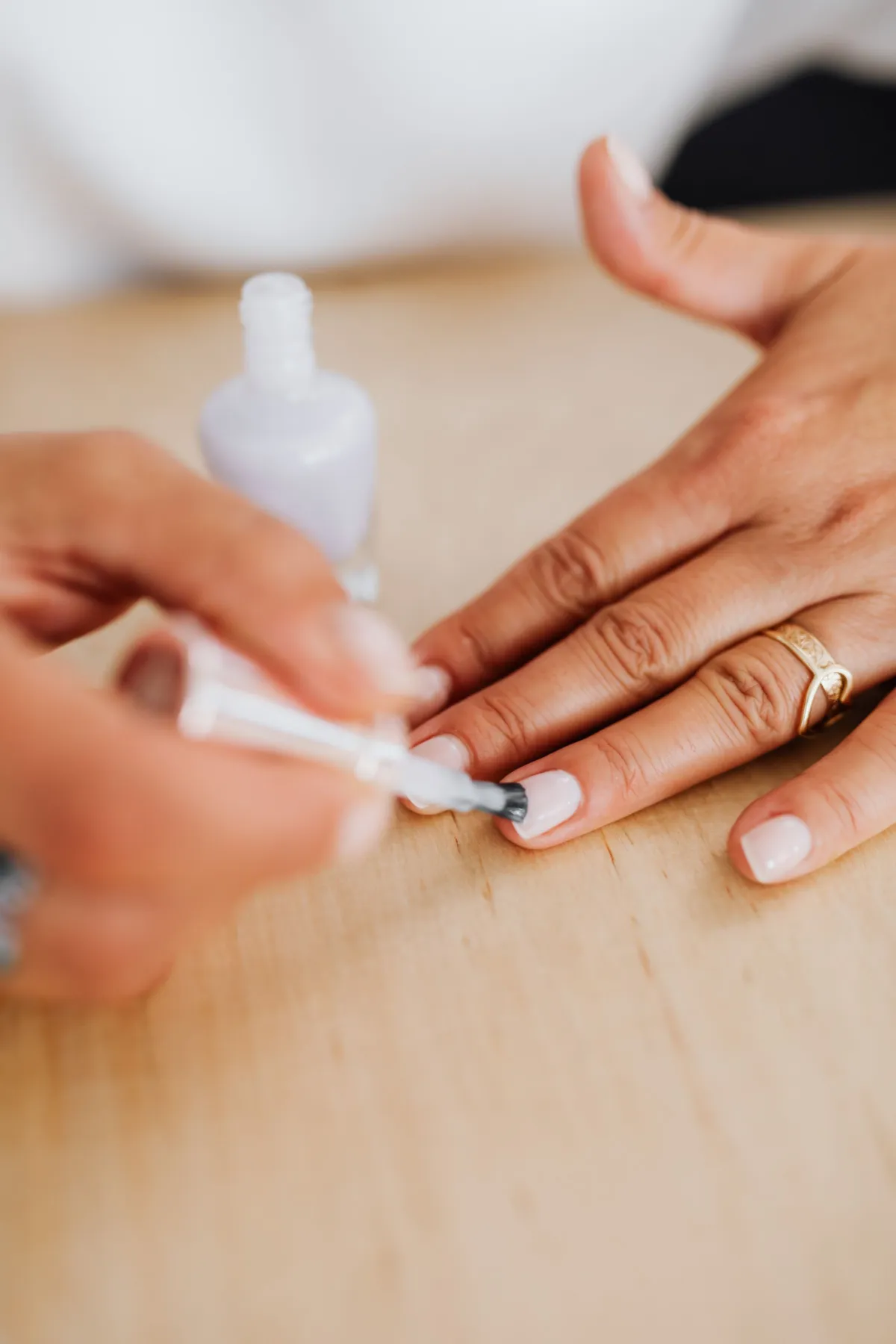
A Beginner-Friendly At-Home Manicure
Eleven steps from bare nails to dry polish, with the two habits dermatologists stress most: file in one direction and leave your cuticles alone.